
Considering a VI Peel? Uncertainty about the day-by-day recovery keeps many from treatment.
At Renova Medical Aesthetics in Westchester, CA, we prepare every patient for the VI Peel recovery, from application to full skin renewal.
This guide details each stage: what to expect, essential products, what to avoid, and how to maximize results.
What Is a VI Peel and How Does It Work?
The VI Peel is a medium depth chemical peel that uses a proprietary blend of trichloroacetic acid (TCA), salicylic acid, phenol, retinoic acid, and vitamin C. The VI Peel penetrates into the deep epidermis and upper dermis to stimulate collagen production and accelerate cellular turnover.
What makes the VI Peel unique compared to many other chemical peels is its relatively gentle application process combined with meaningful clinical results. It is suitable for all Fitzpatrick skin types, including darker skin tones that may be at higher risk for post-inflammatory hyperpigmentation with other peel formulations.
There are several VI Peel formulations available, including VI Peel Precision Plus (designed for stubborn pigmentation and melasma), VI Peel Purify (targeted at acne and oily skin), and VI Peel Advanced (a stronger formulation for more significant aging concerns).
Your provider will select the appropriate formula based on your skin type, concerns, and treatment history.
Who Is a Good Candidate for a VI Peel?
The VI Peel treats a wide range of skin concerns effectively:
- Sun damage
- Fine lines and wrinkles
- Uneven skin tone
- Melasma
- Acne scarring
- Enlarged pores
- Rough skin texture
Good Candidates for a VI Peel:
- Most adults in good general health.
- People new to chemical peels who want visible improvement without the extended downtime of deeper peels (like a TCA peel at higher concentrations).
VI Peel May Not Be Appropriate If You:
- Are pregnant or nursing.
- Have used isotretinoin (Accutane) within the past six months.
- Have active cold sores or open wounds on the treatment area.
- Have a known allergy to any of the peel ingredients.
- Have a history of keloid scarring (must discuss with a provider).
At our Westchester clinic, we conduct a thorough skin assessment and review your medical history during a consultation to determine if the VI Peel is the right fit.
What to Expect During the VI Peel Treatment
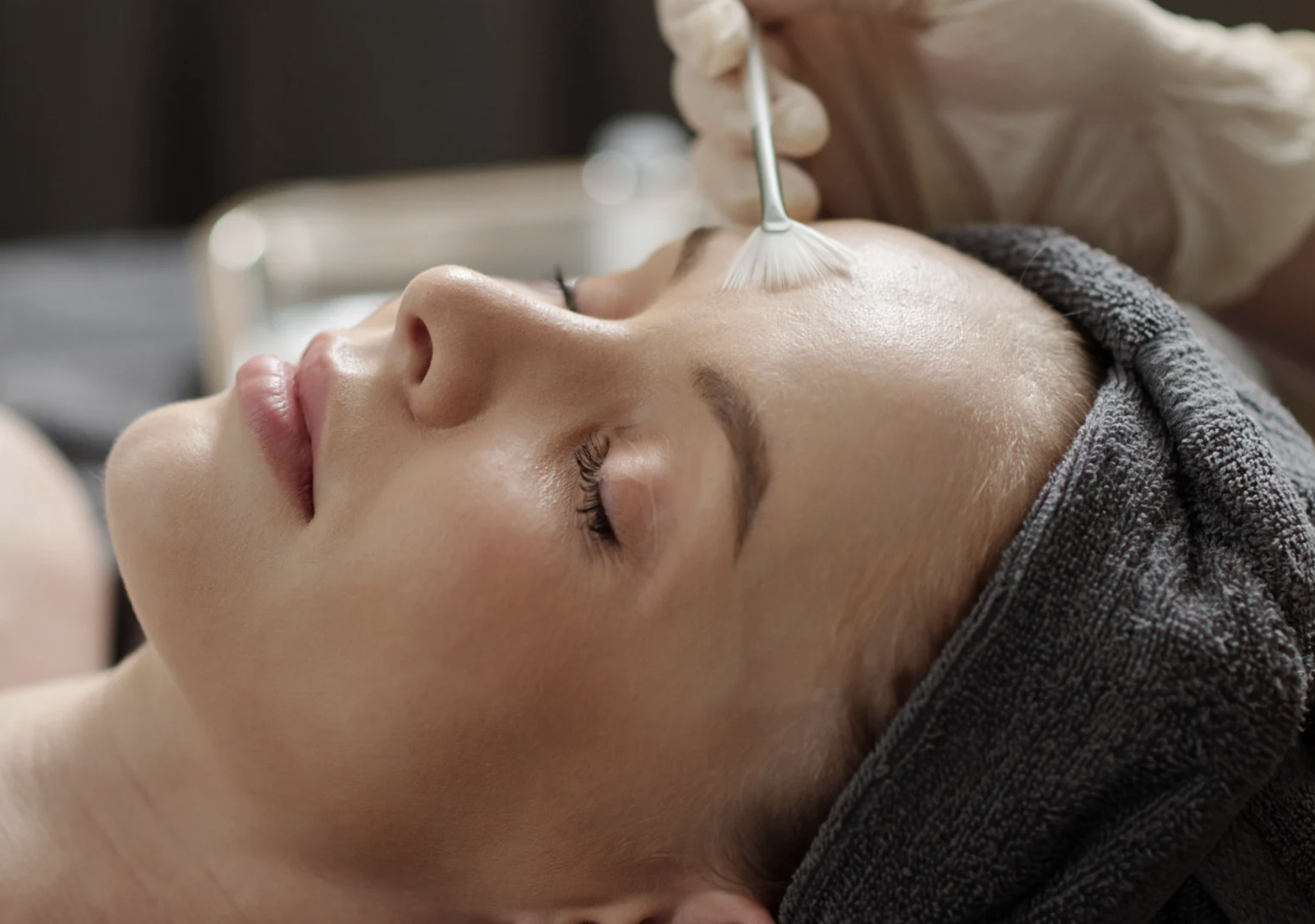
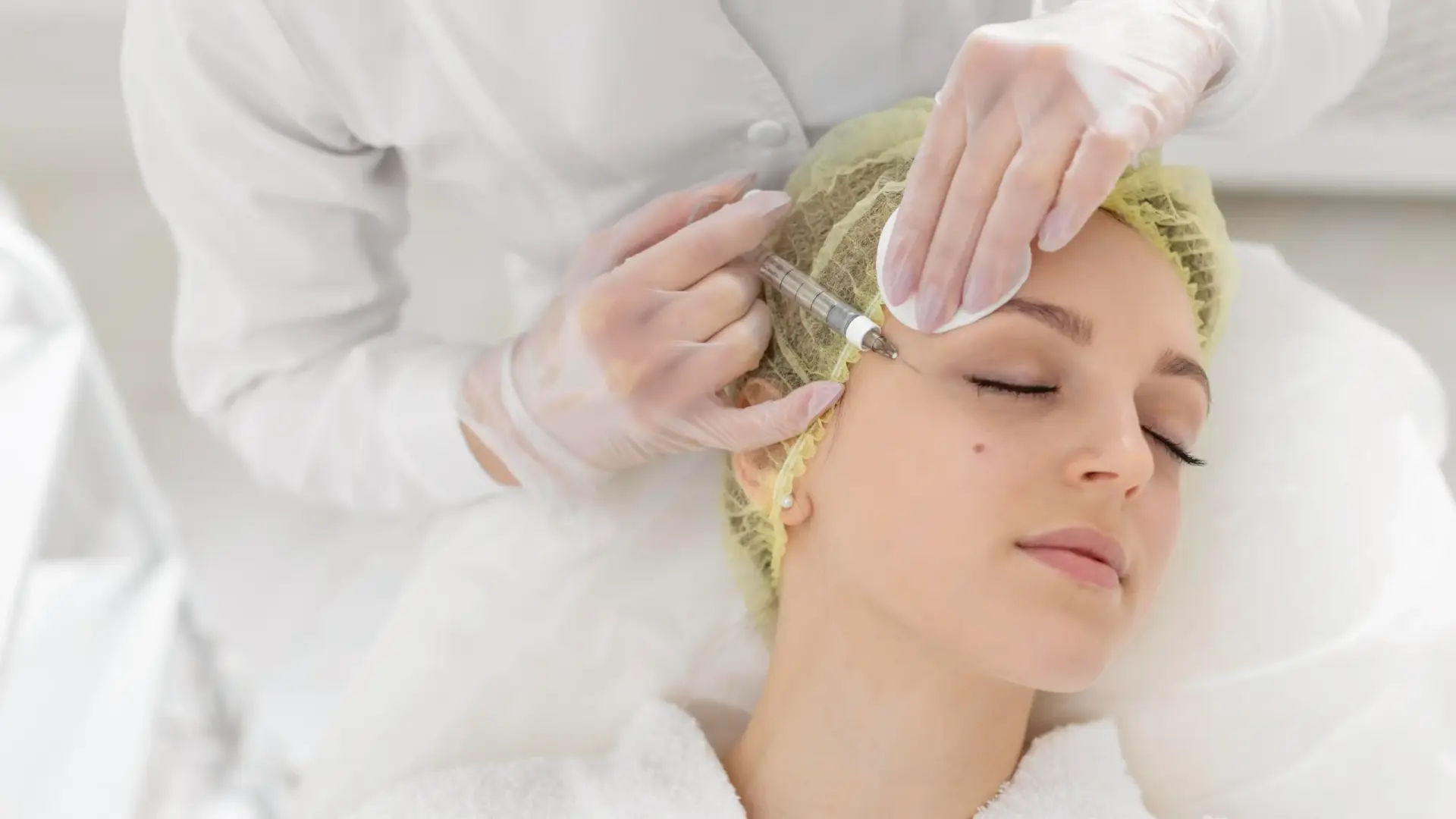
The in-office application takes approximately 30 minutes. Your provider will cleanse the skin thoroughly and then apply the peel solution in layers. Most patients feel a mild tingling or warm sensation during application, but the VI Peel is generally well tolerated without the need for topical anesthesia.
After the peel is applied, you will leave the office with the solution still on your skin. Unlike some other chemical peels, you will not wash it off in the office. The peel remains on the skin for a minimum of four hours (typically four to six hours depending on your provider’s instructions) before you wash it off at home. Your provider will send you home with a post-peel kit containing specific towelettes, a post-peel protectant, and SPF, all of which are important for your recovery.

VI Peel Recovery Day by Day: A Complete Timeline
Understanding the VI Peel recovery day by day timeline helps set realistic expectations and reduces the anxiety many patients feel about the peeling process.
Everyone heals at a slightly different pace, but the following timeline reflects what the majority of patients experience.
Day 1: Peel Application Day
On the day of your treatment, your skin will look relatively normal after leaving the office. There may be a slight golden or tan tint from the peel solution. Some patients notice mild redness or a warm, sunburn-like feeling. This is expected and not a cause for concern.
After the designated wait time (your provider will specify whether it is four, five, or six hours), you will wash the peel off using the towelettes provided in your post-peel kit, followed by a gentle water rinse. Apply the post-peel protectant immediately after.
Do not use any other products on your skin at this stage. Avoid sweating, direct sun exposure, and touching your face unnecessarily.
Day 2: Tightness and Minimal Change
On the second day, your skin will likely feel tight and slightly dry. Some patients describe it as a stretched feeling. You may notice your skin looks a bit darker or has a slightly waxy appearance. This is the peel continuing to work beneath the surface.
Continue applying the post-peel protectant as directed. Resist the urge to apply heavy moisturizers or any active ingredients. Your skin is actively responding to the peel acids, and introducing other products can cause irritation or interfere with the process.
Day 3: Peeling Begins
This is the day most patients begin to see actual peeling. It often starts around the mouth, chin, and nose, then gradually spreads to the cheeks, forehead, and jawline. The peeling may start as small flakes or larger sheets of skin, depending on the individual.
This is a critical stage. Do not pull, pick, or scratch at the peeling skin. Pulling skin that is not ready to come off naturally can cause scarring, hyperpigmentation, or infection. Let the dead skin shed on its own. Continue using the post-peel protectant and avoid makeup, retinoids, exfoliants, and any products containing acids.
Day 4: Peak Peeling
Day four is typically the most intense peeling day. Large sections of skin may be visibly flaking, and the contrast between old and new skin can look dramatic. The new skin underneath is often pink or slightly red, which is a normal sign of fresh, healthy tissue.
Many patients plan to stay home or minimize social commitments on days three through five for this reason. While the peeling is completely harmless, it is cosmetically noticeable. Keep your skin hydrated with the post-peel products and stay out of the sun. If you must go outside, apply a broad-spectrum SPF 30 or higher and wear a hat.
Day 5: Peeling Continues, New Skin Emerges
By day five, a significant amount of the old skin has shed. You will start to see more of the new skin coming through, and it will look noticeably smoother and brighter than before the treatment. Some areas may still be peeling, particularly around the temples, hairline, and jawline where the skin is slightly thicker.
Continue your gentle post-peel routine. Many patients report feeling encouraged at this stage because the improvement is becoming visible. The redness or pinkness of the new skin is temporary and will fade over the next several days.
Days 6 and 7: Final Peeling and Recovery
Most patients are through the majority of peeling by day six or seven. Some minor flaking may continue in isolated areas, but the overall appearance has improved significantly. Your skin will look fresher, more even in tone, and smoother in texture.
At this point, your provider may give you the green light to resume a gentle skincare routine, including a mild cleanser, hydrating moisturizer, and daily sunscreen. Active ingredients like retinol, vitamin C serums, and exfoliating acids should still be avoided for at least two weeks post-peel unless your provider says otherwise.
Days 8 Through 14: Continued Healing
In the second week after your VI Peel, your skin continues to heal beneath the surface even though the visible peeling has stopped. Collagen remodeling is underway, and you may notice gradual improvements in skin tone and texture over the coming weeks.
Sun protection during this period is critical. Your new skin is more susceptible to UV damage, and unprotected sun exposure can cause hyperpigmentation that undoes the benefits of the peel. Wear SPF daily, reapply every two hours when outdoors, and avoid prolonged sun exposure.
Clinical Benefits of the VI Peel
Patients commonly see measurable improvement in fine lines and wrinkles, dark spots and sun damage, melasma and post-inflammatory hyperpigmentation, acne breakouts and clogged pores, rough or uneven skin texture, and overall dullness. These improvements often continue to develop over four to six weeks after the peel as collagen remodeling progresses.
For patients in Westchester and the greater South Bay area dealing with cumulative sun exposure, the VI Peel Precision Plus formulation can be particularly effective at addressing stubborn pigmentation.
Combining a VI Peel with other treatments at Renova Medical Aesthetics can enhance results further. For example, patients interested in comprehensive skin rejuvenation may benefit from combining peels with platelet-based therapies. You can learn more about these options on our PRP vs. PRF platelet skin treatment page.
Safety and Risk Considerations
The VI Peel has an established safety profile when applied by a trained provider and when post-care instructions are followed properly.
Common and Expected Side Effects (Normal parts of the treatment):
- Redness
- Tightness
- Mild stinging during application
- The peeling itself
Less Common Risks:
- Prolonged redness beyond two weeks
- Post-inflammatory hyperpigmentation (more likely without proper sun protection/post-care)
- Infection (rare, usually from picking at peeling skin)
- Allergic reaction to a peel ingredient
To Minimize Risks, follow instructions:
- Follow post-peel care instructions exactly.
- Do not pick or pull at peeling skin.
- Wear SPF daily.
- Avoid heat exposure (saunas, hot tubs, intense workouts) for the first week.
Contact your provider immediately if you experience anything abnormal:
- Blistering
- Oozing
- Severe pain
- Signs of infection
Setting Realistic Expectations for Your Results
For optimal VI Peel results, multiple treatments are often needed. While one peel improves skin, issues like deep hyperpigmentation, acne scars, or significant sun damage usually require a series of three to four peels, spaced four to six weeks apart.
The VI Peel is a medium-depth peel offering meaningful improvement with minimal downtime, not the same results as a deep chemical peel, laser resurfacing, or surgery. If more aggressive treatment is required, your provider will discuss options during your consultation.
Maintaining results significantly depends on post-peel care. Consistent sunscreen use, a quality skincare routine, and healthy lifestyle habits are crucial. Patients proactive about skin health, including addressing internal factors like hormones, see the most lasting improvements. If you are interested in how internal health affects skin aging, our resource on bioidentical hormones and healthy aging provides helpful context.
Recovery and Downtime: What to Plan For
Total visible downtime from a VI Peel is approximately five to seven days for most patients. The peeling itself is the most cosmetically noticeable phase, typically spanning days three through six. Many patients schedule their peel on a Thursday or Friday so that the worst of the peeling occurs over a weekend.
You can return to work and normal activities as soon as you feel comfortable, but most people prefer to minimize public-facing obligations during peak peeling days. Exercise should be avoided for the first 72 hours to prevent sweating, which can irritate the treated skin. After the first week, you can gradually resume your normal workout routine.
Full skin recovery, including resolution of any residual pinkness and completion of the collagen remodeling process, takes approximately four to six weeks. During this time, your skin will continue to improve in tone, texture, and clarity.
Frequently Asked Questions About VI Peel Recovery
How long does VI Peel peeling last?
Most patients experience visible peeling for three to five days, typically starting on day three and resolving by day six or seven. Some minor flaking may continue for a few additional days in thicker skin areas like the jawline and temples.
Can I wear makeup during VI Peel recovery?
It is recommended that you avoid makeup for the first five to seven days after your peel, especially during the active peeling phase. Makeup can clog the newly exposed pores and potentially cause irritation or breakouts. Once peeling is complete and your provider clears you, you can resume mineral-based makeup.
What happens if I accidentally pull off peeling skin?
Pulling skin prematurely can remove layers that are not ready to detach, which may lead to raw spots, scarring, or dark marks. If you accidentally pull a small piece, apply your post-peel protectant to the area and leave it alone going forward. If the area becomes painful, red, or shows signs of infection, contact your provider.
Is it normal if my skin does not peel much after a VI Peel?
Yes. The degree of visible peeling varies from person to person and does not determine the effectiveness of the treatment. Some patients experience heavy, sheet-like peeling while others notice only light flaking. The chemical exfoliation is happening at a cellular level regardless of how dramatic the visible peeling appears. Your results will still develop over the following weeks.
How soon can I get another VI Peel?
Most providers recommend waiting a minimum of four weeks between VI Peel treatments. This allows the skin to fully heal and the collagen remodeling process to progress. Your provider will assess your skin and recommend the appropriate interval based on your individual response and treatment goals.
Can I use retinol or vitamin C after a VI Peel?
Active ingredients like retinol, vitamin C, glycolic acid, and other exfoliants should be avoided for at least 10 to 14 days post-peel. Reintroduce these products gradually and only after your provider confirms your skin has healed sufficiently. Starting too soon can cause irritation, redness, or compromise your results.
Will a VI Peel help with acne scars?
The VI Peel can improve the appearance of superficial acne scars and post-inflammatory hyperpigmentation. For deeper, pitted scars (ice pick or boxcar scars), you may need additional or alternative treatments such as microneedling or laser resurfacing. A combination approach often yields the best outcomes for acne scarring, and your provider can create a customized treatment plan during your consultation.
Schedule Your VI Peel Consultation in Westchester, CA
If you are ready to improve your skin tone, texture, and clarity with a VI Peel, the team at Renova Medical Aesthetics is here to guide you through every step of the process. We take time with each patient to assess your skin, discuss your goals, and create a treatment plan that makes sense for your concerns and lifestyle.
Our Westchester, CA clinic provides a comfortable, private environment where you can ask questions, understand your options, and feel confident about your treatment decisions.
Book your VI Peel consultation online here or call our office to speak with our team directly. We look forward to helping you achieve healthier, more radiant skin.
Medical Disclaimer
This content is for educational purposes only and does not replace individualized medical advice. All treatments should be performed following consultation with a qualified medical professional.