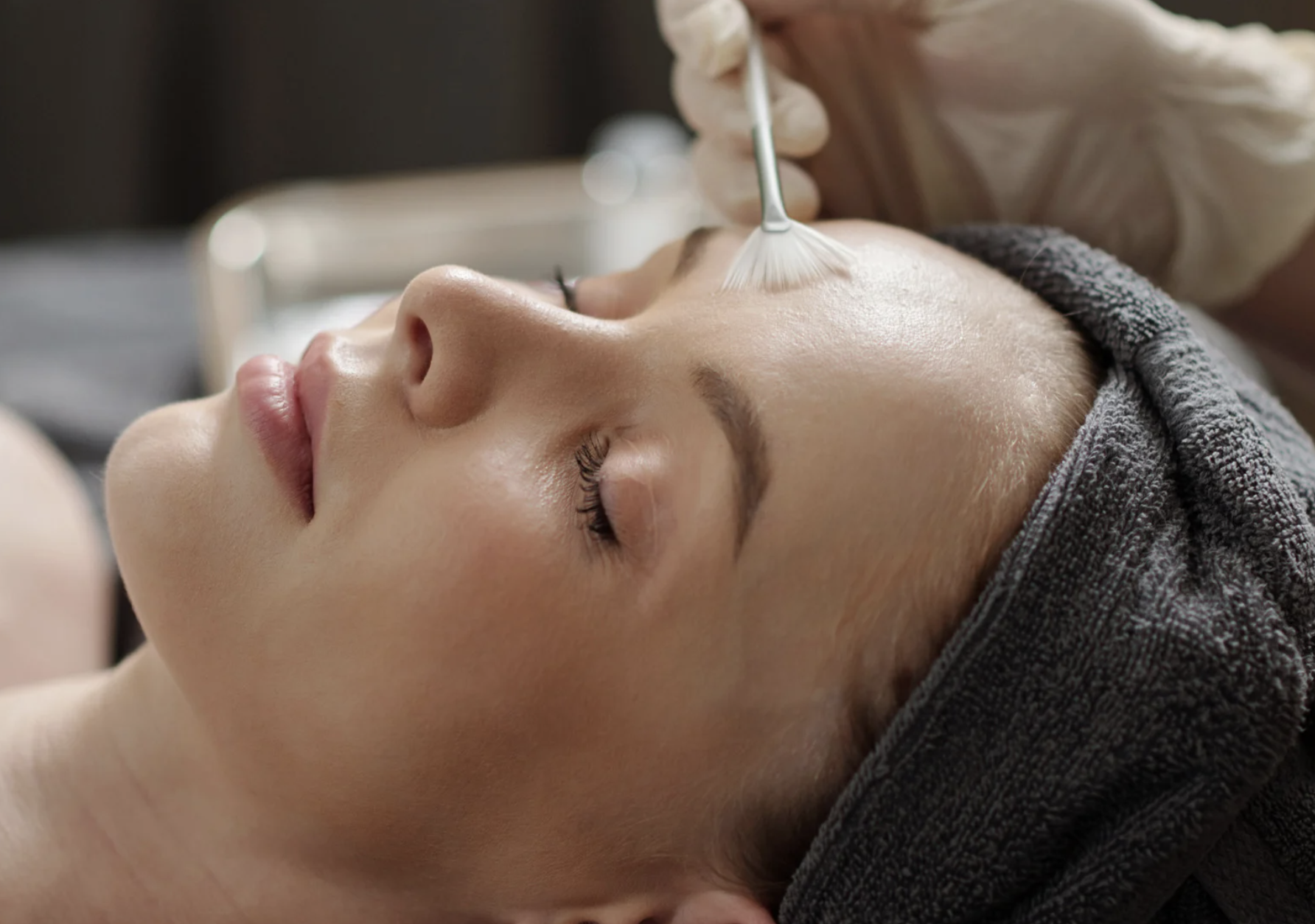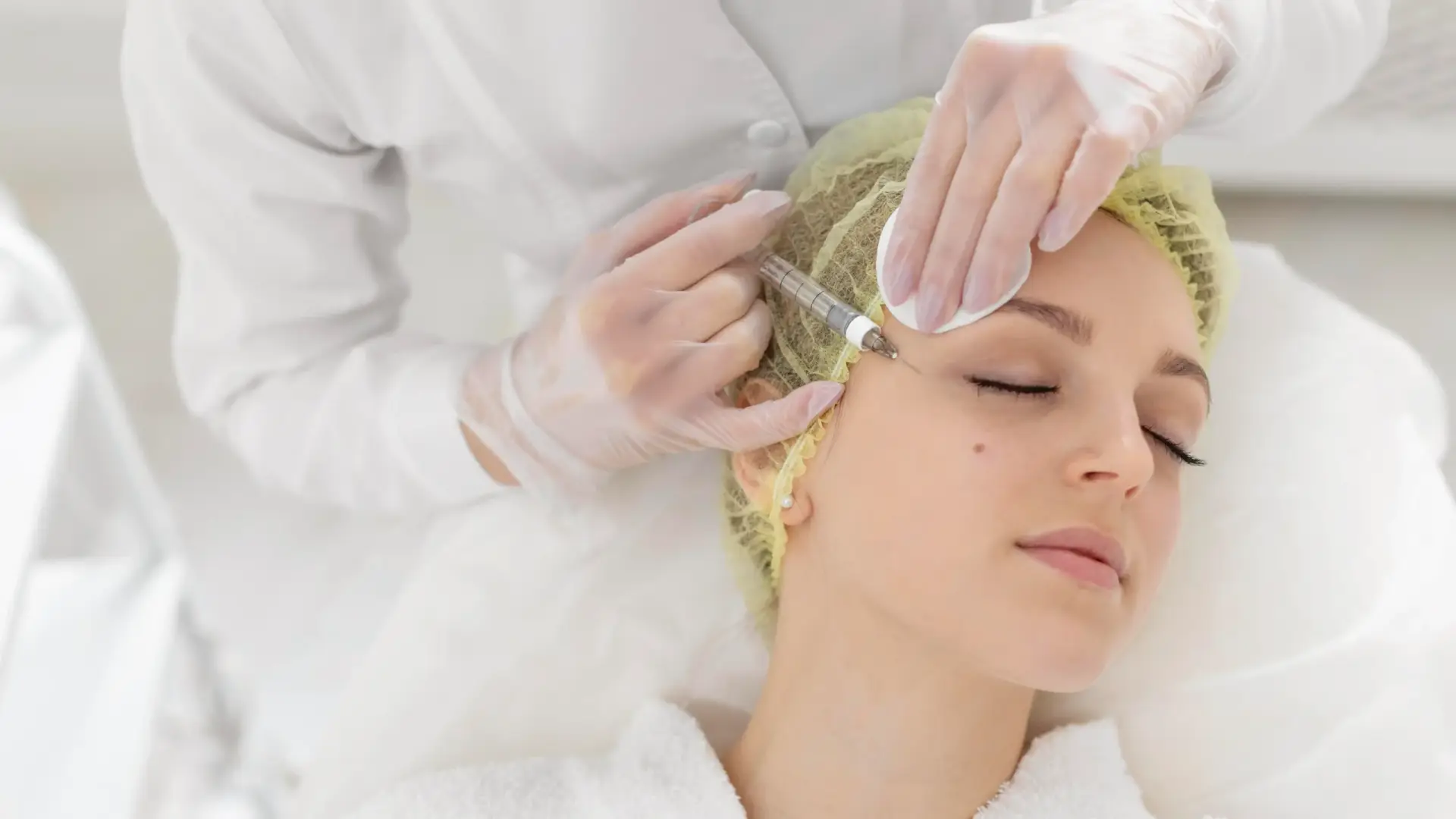


Regenerative skin treatments have shifted the conversation in aesthetic medicine. Instead of focusing on changing facial features, more patients are choosing therapies that support the skin’s natural ability to repair, strengthen, and restore itself.
Platelet based treatments such as PRP and PRF are at the center of this movement.
Both options use components from your own blood to stimulate collagen production, improve skin quality, and support long term tissue health. While they are often grouped together or spoken about interchangeably, PRP and PRF are not the same treatment, and they are not always interchangeable.
The right option depends on your skin concerns, healing capacity, timeline, and overall wellness profile.
Understanding Platelet Based Skin Regeneration
Why Platelets Matter for Skin Health
Platelets are small but powerful components of your blood. Their primary role is to support healing after injury. When tissue damage occurs, platelets release growth factors and signaling proteins that instruct the body to repair itself.
These growth factors help:
- Stimulate collagen and elastin production
- Improve blood vessel formation
- Support cellular repair and turnover
- Reduce inflammation over time
- Strengthen the skin barrier
When concentrated and delivered back into the skin, platelets can activate regenerative pathways that decline with age, stress, inflammation, and environmental exposure.
This is the biological foundation behind both PRP and PRF.
What Is PRP and How It Works
PRP Explained in Simple Terms
PRP stands for platelet rich plasma. It is created by drawing a small amount of your blood and spinning it in a centrifuge to separate the platelets from other components.
The result is a plasma solution that contains a higher concentration of platelets than what naturally circulates in your bloodstream.
Once prepared, PRP can be applied topically after microneedling or injected into targeted areas of the skin.
What PRP Does for the Skin
PRP delivers a concentrated burst of growth factors to the treatment area. These signals encourage the skin to repair itself more efficiently.
PRP is commonly used to improve:
- Overall skin tone and texture
- Fine lines and early wrinkles
- Acne scarring
- Dull or tired appearing skin
- Mild laxity
Because PRP is derived from your own blood, it integrates naturally with your tissue and carries a low risk of adverse reaction.
The PRP Timeline
PRP releases its growth factors relatively quickly after application. This makes it well suited for patients seeking visible improvements within a shorter window.
Many patients notice:
- Improved glow and hydration within weeks
- Gradual texture refinement over several months
- Continued collagen stimulation with repeated sessions
PRP works best as part of a treatment series rather than a single session.
What Is PRF and How It Differs
PRF Explained
PRF stands for platelet rich fibrin. It is considered a next generation evolution of PRP.
While PRF is also derived from your blood, it is prepared differently. PRF is spun at a lower speed and without anticoagulants. This creates a fibrin matrix that traps platelets and white blood cells within a natural scaffold.
This structural difference changes how PRF behaves in the skin.
How PRF Works in the Body
Instead of releasing growth factors all at once, PRF delivers them slowly over time.
The fibrin network acts as a biological framework that supports:
- Gradual and sustained growth factor release
- Longer lasting regenerative signaling
- Improved tissue integration
- Enhanced healing response
Because of this slower release, PRF tends to support deeper, more prolonged skin remodeling.
What PRF Is Often Used For
PRF is especially helpful for concerns that benefit from extended regeneration.
Common uses include:
- Under eye rejuvenation
- Advanced skin thinning
- Crepey texture
- Areas requiring longer collagen stimulation
- Patients with slower healing responses
PRF is frequently chosen when subtle volume support and tissue strengthening are desired without synthetic fillers.
Key Differences Between PRP and PRF
Processing Method
- PRP uses higher centrifuge speeds and anticoagulants.
- PRF uses slower centrifuge speeds and no additives.
This difference affects how platelets behave once reintroduced to the skin.
Growth Factor Release
- PRP releases growth factors quickly.
- PRF releases growth factors gradually over time.
Longevity of Effects
- PRP tends to work faster with earlier visible improvements.
- PRF tends to last longer with deeper tissue remodeling.
Texture and Consistency
- PRP is a liquid plasma.
- PRF has a gel-like fibrin structure.
This influences how it spreads and integrates into tissue.
Choosing Between PRP and PRF Based on Skin Goals
When PRP May Be the Better Choice
PRP may be ideal if you:
- Want brighter more refreshed skin
- Are addressing early signs of aging
- Are pairing treatment with microneedling
- Prefer quicker visible results
- Are newer to regenerative treatments
PRP works well for patients focused on skin quality and radiance rather than structural change.
When PRF May Be the Better Choice
PRF may be preferred if you:
- Have thin or fragile skin
- Are concerned about under eye hollows or crepey texture
- Want longer lasting regenerative effects
- Prefer a more gradual transformation
- Are addressing more advanced aging changes
PRF supports tissue integrity and long term collagen renewal.
The Role of Wellness in Platelet Based Treatments
Why Internal Health Matters
Platelet therapies work best when the body is prepared to heal.
Factors that influence outcomes include:
- Hydration levels
- Inflammation status
- Hormonal balance
- Nutrient availability
- Sleep quality
- Stress load
At Renova, regenerative treatments are never viewed in isolation. Skin healing reflects what is happening internally.
Patients who support their wellness often experience:
- Better collagen response
- Faster recovery
- More consistent results
- Longer lasting improvements
Combining Platelet Treatments With Other Services
PRP and PRF are often part of a broader aesthetic and wellness plan.
They may be combined with:
- Microneedling
- Medical grade skincare
- Hormone optimization
- IV hydration therapy
- Skin tightening treatments
The goal is not to overwhelm the skin but to create synergy that supports natural regeneration.
What to Expect During Your Treatment at Renova
Consultation Comes First
Every platelet treatment begins with a detailed consultation.
Your provider evaluates:
- Skin quality and thickness
- Areas of concern
- Healing capacity
- Lifestyle and wellness factors
- Treatment goals and timeline
This ensures the correct approach is chosen for your biology.
The Treatment Experience
Both PRP and PRF treatments involve:
- A small blood draw
- On site processing
- Application or injection into targeted areas
Most patients describe the procedure as well tolerated with minimal downtime.
Recovery and Results
Typical Recovery Experience
You may experience:
- Mild redness or swelling
- Temporary tightness
- Sensitivity for one to three days
Downtime is generally minimal.
When Results Appear
PRP often shows earlier glow and texture improvement.
PRF develops more gradually with continued improvement over time.
Collagen remodeling continues for months after treatment.
Frequently Asked Questions (FAQ)
Is PRP or PRF better overall?
Neither is universally better. The best option depends on your skin condition and goals. PRP works well for surface quality and radiance. PRF is often better for deeper regeneration and longer term improvement.
Can PRP and PRF be used together?
In some cases yes. Your provider may recommend different approaches for different areas of the face.
How many treatments are needed?
This varies. Many patients benefit from a series of treatments spaced several weeks apart followed by maintenance.
Are these treatments safe?
Yes. Both PRP and PRF use your own blood and are considered low risk when performed by trained professionals.
Will results look natural?
Yes. These treatments support your skin’s natural repair process rather than altering facial structure.
Making the Right Choice With Confidence
PRP and PRF both offer powerful tools for skin rejuvenation when chosen thoughtfully and applied with medical expertise.
At Renova Medical Aesthetics & Wellness, the focus is always on individualized care, long term skin health, and results that feel authentic.
If you are ready to explore which platelet treatment aligns with your skin goals, you can schedule a consultation through our booking page.
Medical Disclaimer
This content is for educational purposes only and does not replace personalized medical advice. All treatments should be performed following a comprehensive consultation with a qualified medical professional.