
Pigmentation Treatments
in Los Angeles, California
At Renova Med Spa, we recognize that pigmentation extends beyond a superficial issue. It often signifies deeper biological shifts, including hormonal fluctuations, inflammation, sun exposure, and genetic predispositions. Uneven skin tone, dark spots, and discoloration can impact your self-perception, even when your overall health is good.
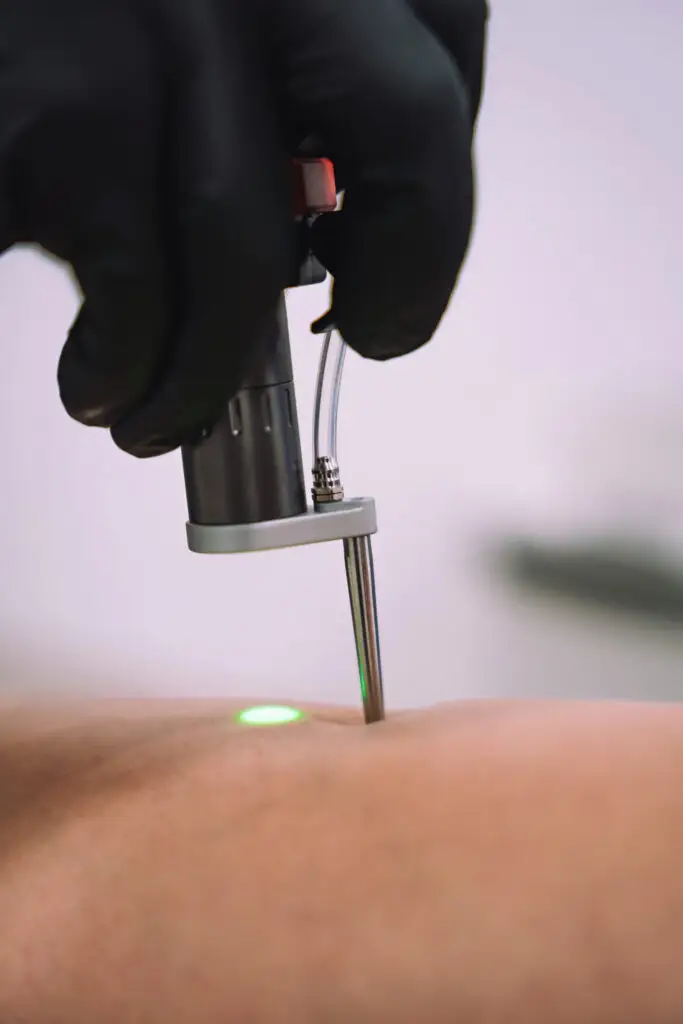
We offer a suite of technologies to treat pigmentation safely, gently, and with lasting results. The heart of our approach is the Fotona laser, a high-performance system designed to break up melanin precisely and stimulate fresh, balanced skin from within.
What sets our process apart is not merely the technology, but the clinical judgment and restraint we apply. We understand that pigment is an integral part of your skin’s story and must be treated with care, never aggression.
How the Fotona Laser Targets Pigment
The Fotona laser uses advanced wavelength control and pulse precision to target melanin clusters in the skin without harming the surrounding tissue. It works by delivering energy deep into the dermis, where unwanted pigment resides, while preserving the skin’s surface.
The energy causes pigment to fragment into smaller particles, which are then naturally cleared by the body’s lymphatic system. Over time, spots begin to fade and the complexion becomes more even.
We select the appropriate Fotona mode based on the depth, size, and type of pigment. For deeper discoloration like melasma or dermal pigmentation, we use long-pulse modes that gently reach the lower layers. For superficial spots, we may use Q-switched pulses for more targeted lifting.
Unlike older laser technologies, Fotona does not rely on excessive heat. This reduces the risk of rebound pigmentation and makes it safe for a broader range of skin tones, including Fitzpatrick types IV to VI.
What Causes Pigmentation
Pigmentation appears when your skin produces excess melanin, the pigment responsible for your natural skin color. This can happen for many reasons, often involving a combination of internal and external factors. Understanding these causes is the first step toward treating them effectively.
Sun Exposure
Ultraviolet light is the most common cause of pigmentation. When skin is exposed to sunlight, it responds by producing more melanin as a form of protection. Over time, this leads to sun spots, freckles, and solar lentigines that become more visible with age.
Hormonal Changes
Conditions like melasma are triggered or worsened by fluctuations in hormones. This often occurs during pregnancy, birth control use, or menopause. Melasma is more complex than sun damage and often requires a combination of laser and supportive treatments to manage.
Inflammation and Injury
Pigmentation can follow trauma to the skin, such as acne, eczema, or even aggressive exfoliation. This is known as post-inflammatory hyperpigmentation (PIH) and is more common in medium to deep skin tones. Treating PIH requires a gentle, non-inflammatory approach.
Genetics
Some individuals are naturally prone to more visible pigment. This can include ethnic skin types, darker Fitzpatrick skin categories, and people with a family history of hyperpigmentation or uneven tone.
Supportive Treatments That Accelerate Results
Treating pigmentation is not just about removal. It is about restoring balance to the skin’s ecosystem. At Renova, we often recommend combining laser treatments with supportive therapies that calm inflammation, remove surface buildup, and rebuild skin resilience.
Chemical Peels
Light to medium peels help lift superficial pigment and exfoliate damaged skin. We use physician-selected acids that are customized for your skin type and condition.
Microneedling
Microneedling enhances pigment correction by stimulating new collagen and breaking up post-inflammatory marks. It also increases product absorption and improves skin texture overall.
Dermaplaning
A gentle surface treatment that removes dead skin and peach fuzz, improving the skin’s radiance and allowing treatments to penetrate more evenly.
Hydration Therapies
Jelly masks, LED therapy, and nourishing serums help reduce inflammation and speed recovery after laser or light treatments. A calm skin barrier heals faster and retains results longer.
What to Expect During Treatment
Most pigmentation treatments take thirty to sixty minutes, depending on the size and location of the area being treated. Your skin will be cleansed and prepped, and protective eyewear will be provided.
During Fotona treatment, you may feel a warm snapping or tingling sensation, but discomfort is minimal. Cooling systems and numbing options are available for sensitive areas.
After treatment, your skin may appear slightly pink or warm. Pigment may darken temporarily before it begins to fade. This is a normal part of the clearing process. You can usually resume normal activities the same day.
How Many Sessions Will I Need?
Pigmentation is stubborn, and real results require consistency. The number of sessions depends on the type and depth of the discoloration.
- Sun spots and freckles: 2 to 4 sessions
- Melasma: 4 to 6 sessions or more, spaced carefully
- PIH from acne or trauma: 3 to 6 sessions
- General uneven tone: 3 to 5 sessions for refinement
Treatments are typically spaced 3 to 6 weeks apart, allowing time for the skin to respond and the pigment to fade gradually.
Maintenance is often needed once or twice a year, especially for patients with ongoing sun exposure or hormonal triggers.
Are You a Good Candidate?
You may be a good candidate for pigmentation treatment if you have:
- Age spots or sun-induced discoloration
- Melasma from pregnancy or hormones
- Acne-related dark marks
- Freckles that have increased over time
- Uneven tone that does not respond to skincare
Laser and light treatments may not be suitable if you are pregnant, have an active skin infection, or are on photosensitizing medication. We will review your health history carefully before beginning treatment.
Our Philosophy on Pigment Correction
Pigment is not a flaw. It is your skin’s response to stress, injury, or change. At Renova, we do not believe in erasing identity or chasing perfection. We believe in helping your skin return to clarity, balance, and ease.
We treat pigment with patience. We avoid overaggressive protocols that can damage the skin barrier or trigger rebound pigmentation. Before developing a treatment plan, we evaluate all variables, including skin tone, medical history, and inflammation risk.
You will never be rushed. You will always be cared for with honesty and clinical precision.
Myths and Misconceptions About Pigmentation Treatment
“Laser will make my pigmentation worse.”
When used correctly and conservatively, lasers can dramatically improve pigmentation without worsening it. What matters is the type of laser, your skin tone, and the technique. At Renova, we do not take risks. Every parameter is selected with care.
“Melasma can be removed completely.”
Melasma is a chronic condition. While we can lighten it significantly, it may require ongoing care. The goal is management, not permanent erasure.
“Only light skin tones can do laser.”
Fotona has protocols for deeper skin tones. We tailor settings to avoid overheating or triggering inflammation, making these treatments accessible to a wide range of patients.
“Pigment will come back immediately.”
With sun protection, proper home care, and occasional maintenance, results can last for years. We educate you on how to protect your progress.
Frequently Asked Questions
Does pigmentation treatment hurt?
Most patients describe it as mildly warm or tingly. Discomfort is minimal and brief. We use built-in cooling and topical numbing when needed.
Can I wear makeup after my session?
Yes, usually within 24 hours. Your provider will give you post-care instructions based on the treatment type.
Is there any downtime?
You may have mild redness for a day or two. Pigmented areas may darken before they fade. There is no peeling or extended recovery.
What skincare should I use after treatment?
We recommend gentle, hydrating products and mineral SPF. Avoid acids, retinoids, or exfoliants for at least a week.
Will I see results after one session?
Some improvement is visible right away, but pigmentation fades gradually. Most patients need multiple sessions for full results.
