
Doctor-Led Acne Treatments
in Los Angeles, California
Clear Skin Begins With Understanding
At Renova Med Spa, we approach acne with the same care and depth we bring to any chronic condition: clinically, comprehensively, and always with a focus on the person behind the skin. Acne is a medical condition that affects the skin’s function, integrity, and emotional impact. We do not dismiss it. We do not oversimplify it. We listen, examine, and create a strategy that supports your skin’s healing over time, from active breakouts to lingering scars.
Our lead technology in this process is the Fotona laser system, one of the most advanced aesthetic lasers available today. It allows us to treat both acne and acne scars with precision, safety, and long-term results, even on complex or sensitive skin.
What Causes Acne?
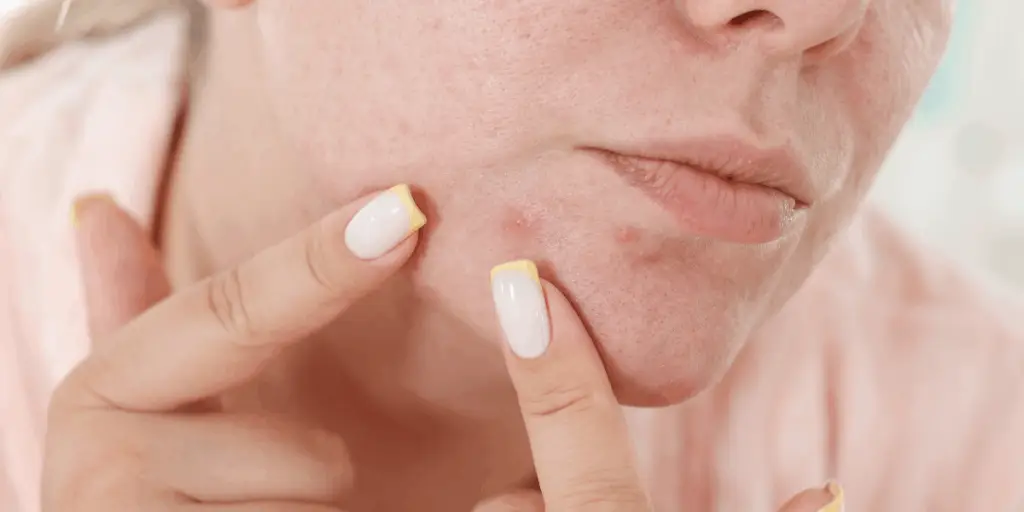
Acne is a disorder of the pilosebaceous unit, the structure that includes a hair follicle and its attached oil gland. When sebum (natural oil) and dead skin cells accumulate inside a pore, they create a microenvironment where bacteria can thrive. This triggers inflammation and leads to the lesions we recognize as acne: whiteheads, blackheads, papules, pustules, and cysts.
Acne can be influenced by many factors:
• Hormonal changes or imbalances
• Genetics
• Diet and gut health
• Environmental exposure and pollution
• Occlusive skincare or makeup
• Stress and internal inflammation
Hormones
Fluctuating hormones are one of the most common and frustrating contributors to acne. Androgens can increase oil production and lead to clogged pores, especially during adolescence, pregnancy, or hormonal imbalances like PCOS. Adult acne is often hormonally driven and requires a steady and strategic approach to calm the skin without causing irritation.
Genetics
Your skin's baseline behavior is partly inherited. If your parents had acne, your skin may produce more sebum or shed cells more slowly than average. That predisposition does not mean you are powerless. It simply means we work with your skin's tendencies and help guide it into a more balanced rhythm.
Diet and Inflammation
While food is not always the primary cause, a diet high in dairy, processed sugar, or inflammatory oils can make acne worse in some individuals. Every skin reacts differently, but if your body is inflamed, your skin often shows it. We take a respectful, open-minded approach to this topic and can help you explore whether internal inflammation might be contributing.
Environment and Products
Pollution, sweat, and comedogenic products can trap debris inside pores and trigger breakouts. Sometimes the products marketed as "acne safe" can be part of the problem. We help you identify and remove any hidden irritants in your skincare, makeup, or environment so your skin has a clear path to recovery.
Stress and the Skin Barrier
Chronic stress changes your skin chemistry. It increases cortisol, slows healing, and triggers oil production. It can also lead to disrupted sleep and poor skin barrier repair. You deserve a treatment plan that does not just address the surface, but acknowledges the deeper rhythms of your life and how they affect your skin. True improvement comes from identifying what your skin needs to stop overreacting and start healing.
Why We Use the Fotona Laser for Acne
The Fotona laser is the core of our acne and acne scar treatment program for one key reason. It allows us to treat both active inflammation and textural damage using a system that is versatile, safe for all skin tones, and highly customizable.
Fotona works through multiple modes:
1. Laser Acne Management
Fotona’s Nd:YAG wavelength penetrates deep into the skin to selectively heat overactive oil glands and destroy the bacteria responsible for acne without damaging surrounding tissue. This reduces inflammation and regulates sebum production over time.
2. Laser Skin Resurfacing
For acne scars, Fotona’s Er:YAG laser gently ablates micro-layers of damaged skin, stimulating collagen remodeling and improving overall texture. This technique is especially valuable for atrophic scars (the pitted, indented type), which are often resistant to topical treatments.
3. Smooth Mode and Frac3 Technology
These advanced settings allow us to deliver non-ablative energy deeper into the dermis, triggering tissue regeneration with less downtime. Ideal for treating scars in sensitive areas or layering with other therapies. The beauty of Fotona lies in its flexibility. We adjust wavelength, pulse duration, and depth to target your specific concerns, whether you are in the middle of an active breakout or working to refine old scars. No two treatments are identical because no two skins are.
Other Treatments That Support Acne Healing
While Fotona is our foundation, we often integrate harmonic therapies to support the skin barrier, accelerate cell turnover, and reduce inflammation:
HydraFacial
HydraFacial treatment offers deep cleansing, extraction, and infusion of soothing serums. It reduces congestion without triggering irritation. Excellent for maintenance between more intensive treatments.
Microneedling
Controlled micro-injury triggers collagen production, softens scar edges, and improves overall skin tone. Especially effective for rolling or boxcar scars.
Chemical Peels
Salicylic, lactic, and glycolic acid-based chemical peels help dissolve impacted pores, regulate oil, and fade post-inflammatory hyperpigmentation. These are often used between laser sessions.
Dermaplaning
By gently removing the outermost layer of dead skin cells and fine vellus hair, dermaplaning enhances product penetration and leaves the skin smoother and brighter. Especially helpful for acne-prone skin preparing for laser.
BroadBand Light (BBL)
BBL uses high-intensity pulses of light to kill acne-causing bacteria, calm redness, and target residual pigmentation. Can be layered with laser for more comprehensive results.
Treatment Areas
Acne can occur anywhere sebaceous glands are present. We commonly treat:
- Face including forehead, cheeks, chin, and jawline
- Neck and chest
- Back and shoulders
- Scalp or hairline breakouts
- Buttocks and upper arms
Scar revision may focus on specific regions or full-face resurfacing depending on distribution and severity.
What to Expect During Your Visit
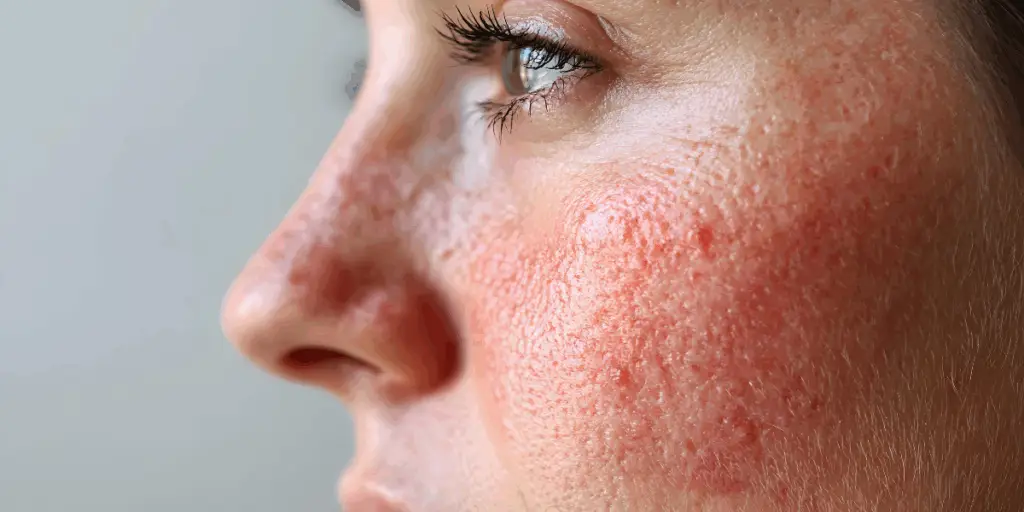
Your first visit begins with a detailed skin evaluation. We assess your current breakout pattern, scar type, sensitivity level, and previous treatment history.
From there, we design a treatment plan that may include:
- Fotona laser sessions every 4 to 6 weeks
- Supportive treatments scheduled between lasers
- A custom home-care plan to extend results and reduce future breakouts
Laser treatments are usually well tolerated with minimal discomfort. Numbing cream is available for deeper resurfacing sessions.
Downtime can range from none to a few days of redness or light peeling depending on treatment intensity.
Timeline and Results
While every skin heals at its own pace, most patients begin to see:
- Fewer breakouts after 2 to 3 laser sessions
- Noticeable scar improvement by session 4 to 6
- Overall texture and clarity continuing to improve for months after completion
Because the laser stimulates collagen remodeling, results continue to evolve long after the final session.
A Kind Word About Acne
Acne does not define you. It is not a reflection of your hygiene, your worth, or your effort. It is a condition rooted in biology, and like any other condition, it deserves clinical attention and respectful care.
Many of our patients come to us after years of trying to fix their skin on their own. If that is your story, we want you to know this. You are not alone. There are real, research-backed treatments available. And they can work.
Frequently Asked Questions
Is the Fotona laser safe for my skin tone?
Yes. Fotona’s dual-wavelength technology makes it safe for all Fitzpatrick skin types, including darker tones. We adjust settings to suit your skin’s unique response profile.
Can I treat acne and acne scars at the same time?
In many cases, yes. We often use one laser mode to calm active inflammation and another to begin resurfacing scars in the same session. Your provider will design a safe, phased approach.
Is there downtime?
It depends on the intensity of the treatment. Acne-calming laser treatments typically have no downtime. Resurfacing treatments may cause redness or peeling for a few days.
How many sessions will I need?
For active acne, most patients need three to six sessions. For scar revision, four to eight sessions may be recommended. Combination therapy may shorten this timeline.
Can I wear makeup afterward?
For light treatments, makeup can often be resumed after one day. After deeper laser resurfacing, we suggest waiting several days and using only mineral or breathable formulations.
Will acne come back?
Acne is a chronic condition, but with consistent treatment and proper skincare, most patients experience long periods of remission or full resolution. We will help you build a long-term plan.
